
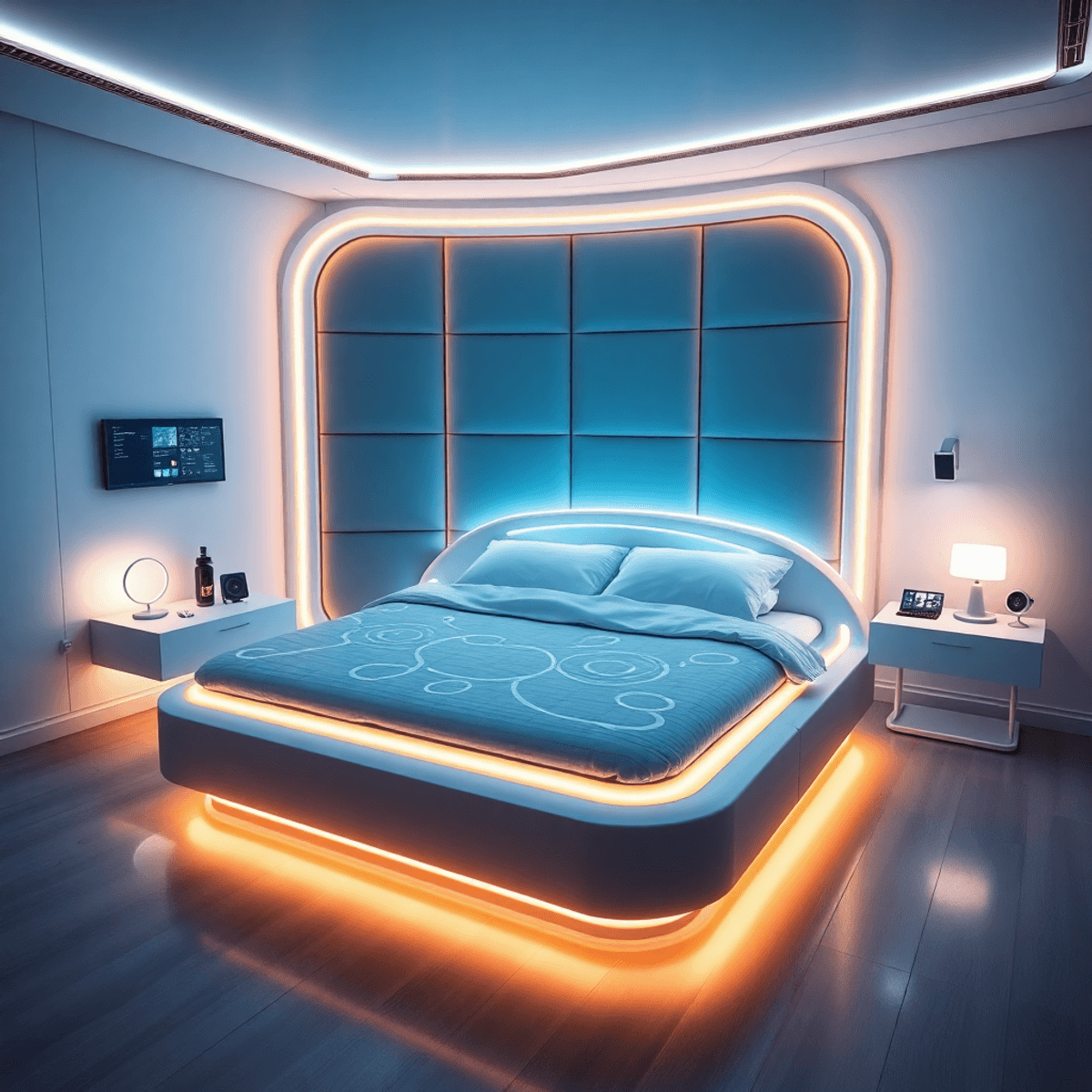
Sleep technology has evolved rapidly, introducing new levels of comfort, monitoring, and personalized care for millions seeking a better night’s rest. Yu Sleep stands out as a concept representing the next frontier in sleep innovation—a symbol of what’s possible when data-driven solutions and advanced technology converge to tackle sleep-related challenges. The future of sleep tech is no longer limited to basic tracking or generic advice; it’s moving toward hyper-personalized experiences and connected ecosystems.
Exploring predictions in sleep technology benefits both consumers and industry professionals:
- Consumers gain insights into upcoming features that can improve daily wellbeing, from smarter alarms to real-time sleep coaching. For instance, understanding how to get more deep sleep cycles naturally can significantly enhance one’s quality of life.
- Industry professionals identify emerging trends, competition, and opportunities for collaboration or disruption.
“Understanding where sleep technology is headed means making informed choices—whether you’re investing in your health or building the next big thing.”
The conversation around Yu Sleep invites curiosity. Even if the brand itself is still emerging or hypothetical, its relevance lies in representing a wave of companies focused on pushing boundaries. Staying ahead in the world of sleep tech demands attention to these predictions, as they set the stage for more restorative nights and healthier lives.
Moreover, exploring predictions and hacks for better rest could provide valuable insights into optimizing our sleep environment. On another note, understanding the potential health complications such as acid reflux during sleep can help us take necessary precautions for our wellbeing.
Furthermore, the integration of mindfulness practices like manifesting abundance through sleep meditation techniques can also play a significant role in enhancing our overall sleep experience. Lastly, considering unique products like Gluconite which claims to promote sweet dreams, could be an interesting avenue to explore for those looking to improve their sleep quality.
Current Landscape of Sleep Technology
The current trends in sleep technology reflect a shift toward smarter, more interconnected solutions that promise deeper insights and improved sleep quality. Key players in this landscape include smart beds, wearable sleep devices, and artificial intelligence-driven tools that deliver increasingly personalized experiences.
Smart Beds and Mattresses
Smart mattresses are no longer just about comfort—they have evolved into data-rich platforms capable of adjusting firmness, tracking movement, and even regulating temperature throughout the night. Top brands offer features such as:
- Pressure mapping sensors to reduce tossing and turning.
- Temperature control for each side of the bed.
- Automatic firmness adjustments based on body position.
Sleep Number’s 360 Smart Bed is a leading example, using embedded sensors to monitor heart rate, breathing, and movement. This data feeds into an app providing nightly reports and recommendations.
Wearable Sleep Devices
Wearable technology continues to dominate the field, with devices ranging from simple wristbands to advanced headbands. These devices collect data on:
- Sleep stages (light, deep, REM)
- Heart rate variability
- Blood oxygen levels
- Body temperature
Popular options include the Oura Ring and Fitbit Sense. Both offer detailed real-time analytics directly to your smartphone, allowing you to track patterns over time. The popularity of these wearables underscores the demand for continuous, passive monitoring without disrupting natural sleep habits.
AI in Sleep Tech
Artificial Intelligence is rapidly transforming how users interact with sleep technology. AI applications analyze massive amounts of biometric data to provide actionable insights and recommendations tailored to individual needs. Notable uses of AI in sleep tech:
- Personalized coaching based on behavioral patterns.
- Smart alarm clocks that wake you during optimal sleep cycles.
- Predictive analytics identifying trends before they impact health.
Machine learning algorithms power platforms like SleepScore Labs, which analyze audio and movement data to assess sleep quality without physical contact.
The Role of Data & Personalization
Data collection sits at the heart of these advancements. Devices gather millions of data points nightly—when combined with machine learning, this information enables highly personalized feedback loops:
“Personalization is key—smart systems adapt not only to your biological rhythms but also to changing lifestyle factors.”
Users receive custom routines, bedroom environment suggestions, or even alerts about potential health issues detected through irregular patterns.
Enhancing Sleep Quality with Music
In addition to these technological advancements, deep sleep music has emerged as a powerful tool for enhancing sleep quality. This genre of music is specifically designed to promote relaxation and facilitate deeper sleep stages.
Summary Table: Core Technologies
|
Technology Type Key Features Leading Examples Smart Mattresses |
Pressure sensors, temp control |
Sleep Number 360 |
|
Wearable Devices |
Stage tracking, biometrics |
Oura Ring, Fitbit |
|
AI-Powered Apps/Systems |
Personalized insights/coaching |
SleepScore Labs |
With new tools emerging frequently and existing products integrating more advanced analytics, the landscape is set for rapid change as demand for actionable sleep solutions grows. Data-driven personalization continues shaping expectations for what modern sleep technology can deliver.
The Future Potential of Yu Sleep in Sleep Technology
The future of Yu Sleep centers on using advanced technologies to redefine how people approach rest and recovery. To predict the next wave of innovative sleep solutions, we need to analyze current trends and identify gaps that a company like Yu Sleep could fill.
Speculative Innovations for Yu Sleep
Industry momentum points to several areas where Yu Sleep could stand out:
- Hyper-Personalized Sleep Coaching: Leveraging aggregated sleep data, Yu Sleep might offer adaptive coaching programs that adjust in real time. These programs could analyze your nightly patterns and push tailored suggestions for bedtime routines, environmental adjustments, or relaxation techniques.
- Non-Intrusive Sensing Technologies: While many devices require physical contact or wearables, Yu Sleep could explore sensor arrays embedded into bedding or headboards. This approach would provide accurate tracking without disrupting comfort.
- Sleep Environment Automation: Integration with smart home systems could allow Yu Sleep products to automatically regulate room temperature, lighting, and ambient noise levels based on your unique chronotype or sleep stage detection.
- Predictive Analytics for Health Insights: By combining long-term sleep data with other health metrics, Yu Sleep has the potential to warn users about possible health risks tied to poor rest—offering actionable advice before issues escalate.
AI and IoT: Creating a Connected, Personalized Experience
Artificial intelligence (AI) and the Internet of Things (IoT) are the backbone of next-generation sleep tech. For Yu Sleep, embedding these technologies can unlock new dimensions in user experience:
- Real-Time Adaptive Algorithms: AI-powered algorithms can interpret biometric signals—from heart rate variability to respiration—and make on-the-fly adjustments. Imagine a mattress that subtly changes its firmness or angle in response to micro-movements that indicate discomfort.
- Seamless Device Ecosystems: IoT-enabled products from Yu Sleep could sync with existing wearables, smart speakers, or even medical devices. This creates an ecosystem where every device speaks the same language, offering unified control over your entire sleep environment.
- Automated Smart Alarms: Instead of a one-size-fits-all alarm clock, AI-driven smart alarms can identify optimal wake times within your natural sleep cycles. The result is waking up refreshed rather than groggy.
- Data Privacy by Design: As connected devices become more prevalent, building robust privacy protections into every product will set innovative companies apart. Transparent user controls over data sharing reinforce trust.
Innovative sleep solutions grow stronger when they combine intuitive hardware design with machine learning intelligence. The future of Yu Sleep will likely be defined by its ability to deliver smarter recommendations and seamless automation while keeping user needs at the center. This approach positions the brand as a catalyst for change in an industry hungry for fresh thinking and measurable results.
For instance, Yu Sleep’s potential to leverage AI in providing hyper-personalized sleep coaching could revolutionize individual sleep experiences. Such technology might analyze personal sleep data and suggest tailored bedtime routines or environmental adjustments for optimal rest.
Challenges and Considerations for Emerging Sleep Tech Companies Like Yu Sleep
Entering the sleep technology market brings a unique set of hurdles. The competition is fierce, with established brands already holding significant market share and consumer trust. For a company like Yu Sleep, navigating these waters requires keen awareness of both technical and human factors shaping the industry.
Common Obstacles in the Sleep Tech Industry
1. Technological Limitations
New companies face several tech-related challenges:
- Integration Complexity: Blending multiple technologies—such as sensors, AI algorithms, and IoT connectivity—is demanding. Achieving seamless communication between devices and platforms remains a persistent challenge.
- Data Accuracy: Reliable sleep tracking relies on precise data collection. False positives or inaccurate insights can quickly erode user confidence, making robust hardware and sophisticated analytics non-negotiable.
- Battery Life & Wearability: Devices that demand frequent charging or feel uncomfortable disrupt user routines. New entrants must balance advanced features with practical battery management and ergonomic design.
2. User Adoption Hurdles
Convincing people to use new sleep tech isn’t easy due to various reasons:
- Trust Barriers: Many consumers are wary about sharing personal health data with unfamiliar tech companies. Building credibility from day one is critical for platforms like Yu Sleep.
- Learning Curve: Advanced features sometimes overwhelm users who seek simple improvements in their sleep quality. Overcomplicated interfaces or unclear results can lead to device abandonment.
- Value Proposition: Users expect tangible benefits—better sleep, actionable insights, improved well-being. If a product’s impact isn’t quickly evident, retention rates suffer.
Transparency, Trust-Building, and Ethics in Product Development
Reputation is built on openness. New players must be explicit about how they collect, store, and use sensitive sleep data. Clear privacy policies and visible security measures signal respect for consumer concerns.
A few best practices stand out:
- Transparent Communication: Disclose data handling processes and third-party integrations up front.
- Ethical AI Use: Ensure algorithms are fair, unbiased, and regularly audited for unintended consequences when making health-related recommendations. It’s also crucial to address AI-related privacy issues that may arise during product development.
- User Empowerment: Provide users with control over their data—easy opt-outs, deletion options, and consent-based features foster trust.
“Sleep tech is not just about innovation; it’s about integrity.”
— Industry Analyst
The Path Forward
The challenges facing emerging sleep technology companies like Yu Sleep are not insurmountable but require deliberate action at every stage of development. Adopting transparent practices, prioritizing user experience, and committing to ethical standards lay the groundwork for long-term credibility in this rapidly evolving market.
With these foundations in place, attention shifts to how consumers can navigate these advancements while maintaining healthy sleep habits—a key consideration as technology becomes more intertwined with everyday life.
How Consumers Can Embrace the Advancements in Sleep Technology While Prioritizing Good Sleep Hygiene Practices
Adopting new sleep technologies requires a blend of curiosity and caution. As companies like Yu Sleep push the boundaries of innovation, consumer readiness for adopting new tech becomes an essential factor in achieving meaningful results without compromising health. Keeping pace with rapid developments, while prioritizing tried-and-true habits, can transform sleep quality.
Staying Informed About Emerging Sleep Tech
- Subscribe to trusted sources: Newsletters from reputable health and technology sites provide regular updates on product launches, research findings, and regulatory changes in the sleep tech sector.
- Follow expert reviews and user forums: Real-world feedback from other consumers, alongside expert analysis, helps you filter out marketing hype and focus on features that matter.
- Engage with healthcare professionals: Doctors and certified sleep specialists often have early insights into which products are evidence-based versus those that remain experimental.
- Attend webinars or local events: Virtual seminars hosted by innovators or sleep clinics can shed light on the practical applications of new tools like Yu Sleep before mainstream adoption.
Balancing Technology With Healthy Sleep Habits
Relying solely on gadgets is not enough. Smart use of technology should support—not replace—core principles of good sleep hygiene:
- Set device boundaries: Avoid using screens immediately before bed, even if they are equipped with blue-light filters or “night modes.” Many wearables now offer scheduled ‘do not disturb’ functions to prevent late-night notifications.
- Monitor data mindfully: Track your sleep trends over time rather than obsessing over nightly fluctuations. Look for persistent patterns before adjusting routines or consulting a professional.
- Prioritize comfort and environment: Smart beds and temperature-regulating devices can fine-tune your sleeping conditions, but regular habits like maintaining a dark, quiet room remain fundamental.
- Use insights as guides—not gospel: Leverage personalized AI suggestions as helpful prompts, yet maintain autonomy over your bedtime rituals.
“Technology should empower you to make informed decisions about your health—never dictate them.”
In addition to leveraging technology, it’s essential to address common sleep disturbances such as snoring. For instance, how to stop someone from snoring involves understanding its causes and implementing effective strategies. Furthermore, investing in microfibre sheets can significantly enhance your sleep experience by providing unmatched comfort.
Moreover, supporting your body’s natural rhythms is crucial for optimal rest. There are 7 proven ways to support your circadian rhythm through sleep, which can be integrated into your routine alongside the use of advanced sleep technology.
If anxiety or sleep disorders are part of the equation, understanding the differences between resurge vs insomnia could provide valuable insights into effective treatment options.
Conclusion
Staying alert to shifts in the sleep tech landscape gives you the power to make informed decisions for your health. The future outlook on Yu Sleep and evolving sleep tech landscape points toward a new era, where personalized, data-driven solutions could soon be the standard rather than the exception. Brands like Yu Sleep represent not just another product launch, but a signal that bigger changes are coming—changes where artificial intelligence, machine learning, and connected devices converge to give users actionable insights for better rest.
- Continuous innovation is shaping what’s possible in sleep technology. Whether through smarter wearables, adaptive environments, or predictive tools like those hinted at by Yu Sleep, every advancement brings fresh opportunities for improved wellbeing.
- Empower yourself by staying informed about these developments. Engage with product updates, read trusted reviews, and don’t hesitate to ask questions about privacy or data use.
- Better sleep isn’t only about gadgets. Balance your enthusiasm for new tech with practices that support natural sleep rhythms.
The next wave of breakthroughs may come from unexpected places—keeping an open mind ensures you won’t miss out on tools that could transform your nightly rest.
Watching Yu Sleep and its peers in the space can give you a front-row seat to innovations that prioritize both convenience and genuine wellness.
Leave a Reply