
Introduction
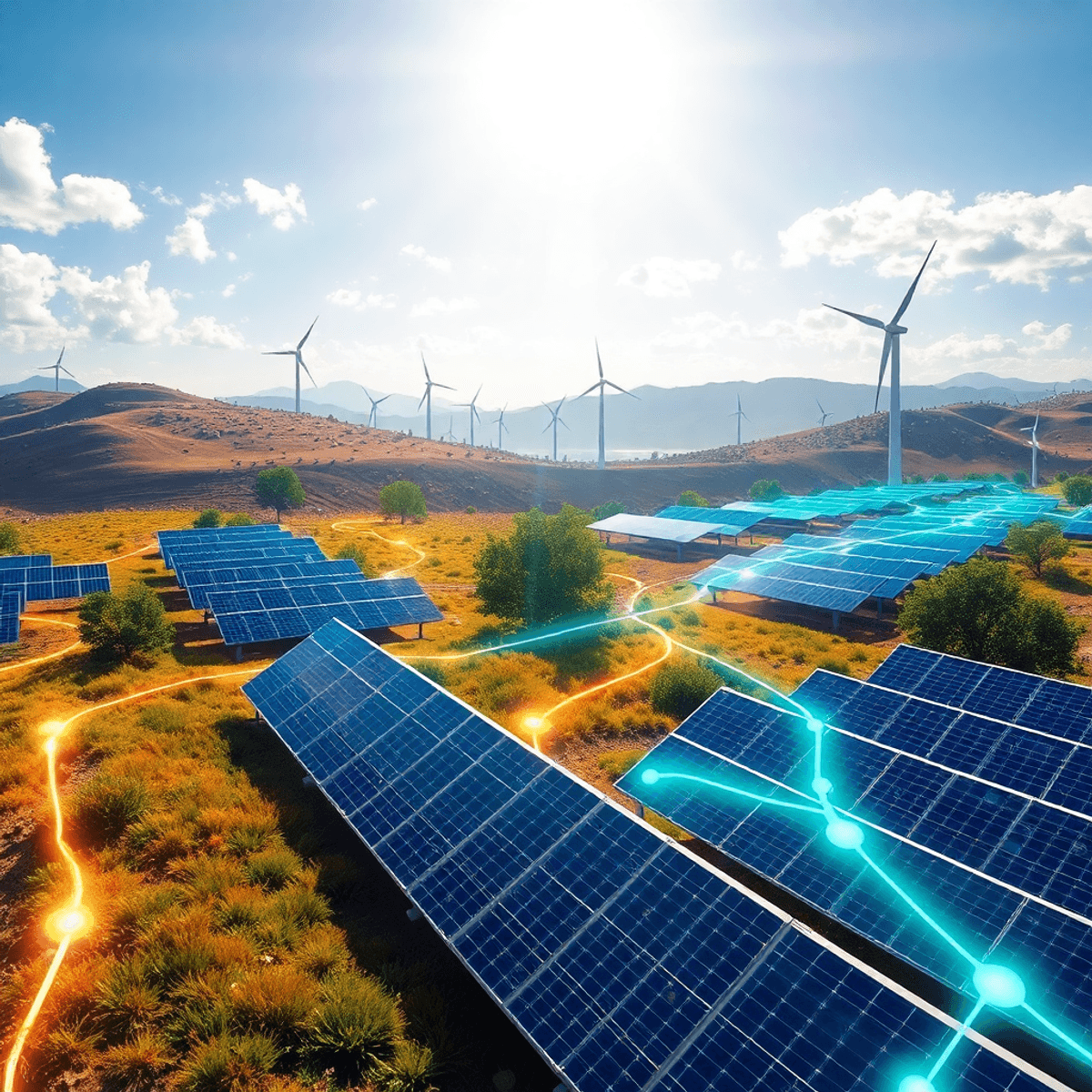
The Energy Revolution System represents the most significant transformation in how we produce, distribute, and consume energy since the Industrial Revolution. You’re witnessing a pivotal moment in human history where technological breakthroughs, policy innovations, and market forces converge to reshape our entire energy infrastructure. This isn’t just about swapping coal plants for solar panels—it’s a complete reimagining of the global energy transformation that touches every aspect of modern life.
The next ten years will determine whether we successfully transition to a clean energy future or remain locked into carbon-intensive systems that threaten our planet’s stability. You need to understand that this decade carries unprecedented urgency. The energy revolution system encompasses everything from smart grids and advanced battery storage to artificial intelligence-powered energy management and widespread electric vehicle adoption.
Three powerful forces are accelerating this transformation:
- Technological advancements that have made renewable energy cheaper than fossil fuels in most markets
- Policy shifts as governments worldwide commit to aggressive decarbonization targets
- Market dynamics driven by investor pressure and changing consumer preferences
During this critical window, it’s essential to leverage these changes effectively. Here are some predictions and tips for maximizing savings during this transition.
The decisions you make—whether as a business leader, policymaker, or individual consumer—during this crucial period will shape energy systems for generations to come.
Current State of Global Energy and Its Challenges
The global energy landscape remains heavily dependent on fossil fuels, which account for approximately 80% of total energy consumption worldwide. Coal, oil, and natural gas continue to power industries, heat homes, and fuel transportation systems across most nations. This persistent reliance creates a fundamental tension between meeting growing energy demands and addressing the urgent climate crisis.
The Environmental and Security Toll
Continued dependence on fossil fuels generates significant challenges that extend beyond carbon emissions. You’re looking at a system that produces roughly 36 billion tons of CO2 annually, driving global temperatures upward and intensifying extreme weather events. The environmental degradation includes air pollution responsible for millions of premature deaths each year, water contamination from extraction processes, and ecosystem destruction.
Energy security presents another critical concern. Nations dependent on imported fossil fuels face vulnerability to price volatility, supply disruptions, and geopolitical tensions. The 2022 energy crisis demonstrated how quickly supply chain disruptions can cascade through economies, affecting everything from electricity costs to food prices.
Renewable Energy’s Growing Footprint
Renewable energy adoption has accelerated in recent years, with solar and wind installations breaking records annually. Global renewable capacity additions reached 295 gigawatts in 2021, representing a 3% increase from the previous year. Solar photovoltaic systems now generate electricity at costs competitive with or lower than fossil fuel alternatives in many markets.
Despite this progress, renewables still account for only about 29% of global electricity generation. The gap between current deployment rates and what’s needed to limit warming to 1.5°C remains substantial. You need to see renewable capacity additions triple by 2030 to align with climate targets set by international agreements.
The intermittency challenge of solar and wind power, inadequate grid infrastructure in many regions, and the slower pace of decarbonization in hard-to-abate sectors like heavy industry and aviation underscore the scale of transformation still required. However, there are innovative approaches emerging that could help harness energy more efficiently. For instance, insights from quantum science suggest new methods for optimizing energy usage which could play a crucial role in our transition towards more sustainable energy sources.
Key Drivers Fueling the Energy Revolution System
The transformation sweeping through global energy markets stems from three interconnected forces reshaping how we produce, distribute, and consume power.
Technological Breakthroughs Reshaping Economics
Clean energy technologies have experienced unprecedented cost reductions over the past decade. Solar photovoltaic module prices have plummeted by approximately 90% since 2010, while onshore wind costs have dropped by nearly 70%. You’re witnessing lithium-ion battery prices falling from over $1,100 per kilowatt-hour in 2010 to under $140 today. These dramatic price declines have fundamentally altered the competitive landscape, making renewables the cheapest source of new electricity generation in most markets worldwide.
Performance improvements accompany these cost reductions. Modern wind turbines capture energy more efficiently with larger rotor diameters and taller towers. Solar panels convert sunlight to electricity at higher efficiency rates than ever before. Advanced inverters, improved manufacturing processes, and innovative materials science continue pushing the boundaries of what clean energy systems can achieve.
Regulatory Frameworks Creating Market Opportunities
Policy shifts across major economies are establishing the guardrails for energy transformation. Carbon pricing mechanisms now cover roughly 23% of global greenhouse gas emissions, creating financial incentives for low-carbon alternatives. Renewable portfolio standards mandate that utilities source specific percentages of electricity from clean sources. Feed-in tariffs guarantee long-term purchase agreements for renewable energy producers, reducing investment risks.
Governments are phasing out fossil fuel subsidies while redirecting capital toward clean energy infrastructure. The European Union’s Green Deal, China’s carbon neutrality pledge, and the United States’ clean energy tax credits represent billions in committed funding that reshape market dynamics in favor of sustainable solutions.
Consumer Preferences Driving Demand
You’re part of a growing wave of consumers actively choosing clean energy options. Corporate renewable energy procurement has surged, with companies like Google, Amazon, and Microsoft signing power purchase agreements for gigawatts of clean capacity. Residential customers increasingly install rooftop solar systems and purchase electric vehicles, signaling a fundamental shift in energy consumption patterns that accelerates the transition beyond what policy alone could achieve.
Renewable Energy Sources Leading the Charge
Solar Power: A Game Changer
Solar power is leading the way in the energy revolution. Experts predict that by 2030, global solar capacity will triple. This growth is fueled by a significant decrease in manufacturing costs—down by 90% in the last ten years—making solar installations affordable in various regions worldwide.
- Countries like China, the United States, and India are rapidly building large-scale solar farms.
- Residential rooftop installations are gaining popularity in both suburban and urban areas.
- The flexibility of solar technology allows for projects of all sizes, from small residential setups to massive solar parks covering thousands of acres.
Wind Energy: Harnessing Nature’s Power
Wind energy is also experiencing remarkable growth, thanks to advancements in technology and market acceptance. Offshore wind farms are now utilizing powerful ocean winds with turbines boasting blade spans larger than an Airbus A380’s wingspan.
- These offshore installations are generating electricity at impressive rates, surpassing onshore wind farms.
- Floating wind platforms have made it possible to tap into deep-water locations previously thought impractical.
- Europe and Asia are leading the way in wind power adoption, with governments setting ambitious offshore wind targets.
Hydropower: The Steady Player
Hydropower remains the largest renewable electricity source globally, accounting for about 16% of total generation. Modern run-of-river systems minimize environmental impact while providing reliable power.
- Pumped-storage hydropower facilities serve a dual purpose: generating electricity during peak demand and storing excess renewable energy when demand is low.
- This flexibility makes hydropower an essential component of a balanced energy mix.
Biomass Energy: Turning Waste into Power
Biomass energy offers a solution for utilizing organic materials such as agricultural waste and forestry residues. Advanced gasification technologies are making biomass more efficient, particularly for industries requiring both electricity and heat.
- By converting these materials into energy, we can reduce waste and promote sustainable practices.
- Biomass has the potential to play a significant role in decarbonizing hard-to-abate sectors.
Geothermal Energy: Tapping into Earth’s Heat
Geothermal energy harnesses the Earth’s internal heat for consistent power generation. Enhanced geothermal systems (EGS) are expanding this resource beyond traditional volcanic areas.
- Iceland and the Philippines are examples of countries successfully utilizing geothermal energy.
- With further development, EGS could unlock geothermal potential in regions previously considered unsuitable.
Energy Independence: A Personal Goal
Given these advancements across various renewable sectors, it’s essential to view energy independence as an achievable objective for individuals and communities. By implementing strategies outlined in resources like this step-by-step guide to achieving energy independence, you can harness these renewable sources not only on a large scale but also within your own home or community.
Smart Grids: Enabling Efficient and Resilient Energy Systems
Smart grids are the digital backbone of modern electricity networks, changing how power flows from generation sources to end users. These advanced systems use sensors, communication networks, and automated controls to monitor and manage electricity distribution in real-time. It’s a complete redesign of century-old infrastructure, where two-way communication between utilities and consumers replaces the traditional one-directional power flow.
Key Components of Smart Grids
The main structure of smart grids consists of several important parts:
- Advanced metering infrastructure (AMI) that provides detailed consumption data
- Distribution automation systems enabling remote fault detection and self-healing capabilities
- Demand response platforms that balance supply and demand dynamically
- Real-time monitoring sensors tracking grid performance across thousands of nodes
Grid modernization initiatives bring significant operational improvements that directly benefit both utilities and consumers. In areas where comprehensive smart grid solutions have been implemented, you can expect reliability metrics to increase by 30-50%. The system’s ability to automatically detect and isolate faults means fewer customers are affected by power outages and restoration happens more quickly—often before you even realize there was an issue.
Just like in sports where Zcode System gives a strategic advantage, smart grids offer significant benefits in managing energy.
How Smart Grids Improve Energy Efficiency
Smart grids improve energy efficiency in several ways:
- Reducing technical losses in transmission and distribution by 10-15% through optimized voltage management and load balancing.
- Offering time-of-use pricing programs that encourage shifting consumption to off-peak hours, resulting in lower bills and reduced overall stress on the system.
The integration capabilities of smart grids are particularly valuable for deploying renewable energy sources. They can effectively manage the fluctuating output from solar panels and wind turbines by coordinating with energy storage systems and making precise adjustments to conventional generation sources.
Seamless Integration of Renewable Energy
With smart grids, you can easily connect rooftop solar installations. The grid will automatically handle bidirectional power flows, allowing you to generate excess electricity during sunny afternoons and draw from the network during evening hours.
Cybersecurity measures built into the architecture of smart grids safeguard against potential threats while ensuring the integrity of distributed networks that span thousands of miles.
In a similar way, just as Mastering Relationships requires understanding dynamics, effectively managing smart grids demands a deep understanding of technological complexities and consumer behavior patterns.
Energy Storage Solutions: Unlocking Renewables’ Full Potential
The sun doesn’t always shine, and the wind doesn’t always blow. This simple reality presents the most significant challenge to widespread renewable energy adoption. Energy storage technology bridges this gap, capturing excess power during peak production hours and releasing it when demand surges or generation drops. Without robust storage systems, you’re left with an unreliable grid that can’t meet consistent energy needs.
Advanced batteries have emerged as the cornerstone solution for stabilizing renewable energy systems. The technology landscape has evolved dramatically, offering multiple pathways to grid stability:
1. Lithium-ion Batteries
Lithium-ion batteries dominate the current market, and for good reason. You’ll find them powering everything from residential solar systems to utility-scale installations. They deliver high energy density, rapid response times, and declining costs—dropping by nearly 90% over the past decade. Tesla’s Megapack installations in California and Australia demonstrate their capacity to provide grid-scale storage, responding to demand fluctuations within milliseconds. The limitations? Degradation over time, fire safety concerns, and reliance on mining operations for raw materials like cobalt and lithium.
2. Solid-state Batteries
Solid-state batteries represent the next frontier. These systems replace liquid electrolytes with solid materials, promising higher energy densities and enhanced safety profiles. You’re looking at potentially double the storage capacity in the same physical footprint. Companies like QuantumScape and Solid Power are racing toward commercial viability, though manufacturing challenges and cost barriers remain significant hurdles for large-scale deployment.
3. Flow Batteries
Flow batteries take a different approach entirely. They store energy in liquid electrolytes contained in external tanks, allowing you to scale capacity independently from power output. This modularity makes them ideal for long-duration storage—think 8 to 12 hours or more. ESS Inc. and Invinity Energy Systems are deploying iron-based flow batteries that avoid expensive rare materials. The tradeoff? Lower energy density means you need more physical space, making them less suitable for space-constrained urban environments.
Just as the devotion system unlocks secrets to lasting love by bridging gaps in relationships, these advanced energy storage solutions are essential for unlocking the full potential of renewable energy by bridging the gaps caused by intermittent supply.
Electrifying Transportation: Expanding Electric Vehicle Infrastructure
The transportation sector is leading the way in The Energy Revolution System, with electric vehicles (EVs) changing our perspective on mobility and energy use. In 2022, global EV sales exceeded 10 million units, marking a 55% increase from the previous year. This signifies a significant shift, as countries like Norway witness EVs making up over 80% of new car sales, while China holds nearly 60% of the worldwide EV market.
Battery Technology Advancements
Advancements in battery technology have drastically reduced costs by 89% since 2010, making EVs more competitive with conventional combustion engines. Today’s lithium-ion batteries offer ranges exceeding 300 miles on a single charge, alleviating the concerns that early adopters faced. This trend is expected to accelerate with the introduction of solid-state batteries into commercial production, which promise even higher energy density and quicker charging times.
Key Policy Drivers Accelerating EV Adoption:
- Tax credits and purchase incentives reducing upfront costs by $5,000-$10,000
- Stricter emissions standards phasing out internal combustion engines by 2030-2035
- Low-emission zones in major cities restricting fossil fuel vehicles
- Corporate fleet electrification mandates pushing commercial adoption
Charging Infrastructure Opportunities and Challenges
The charging infrastructure presents both opportunities and challenges. As of 2023, approximately 1.2 million public charging points need to be installed globally, but this number falls short of projected demand. Range anxiety still exists, not due to battery limitations but because of inconsistent charging availability, particularly in rural areas and developing regions.
Critical Infrastructure Challenges:
- Uneven distribution of fast-charging stations along highway corridors
- Grid capacity constraints in urban areas with high EV concentration
- Lack of standardization across charging networks and payment systems
- Installation costs averaging $50,000-$150,000 per DC fast-charging station
Private sector investments are pouring into charging solutions. Companies are deploying ultra-fast 350kW chargers capable of adding 200 miles of range in just 15 minutes. Workplace charging programs are expanding, apartment complexes are retrofitting parking structures, and retail locations are integrating charging amenities to attract customers.
Moreover, developments in renewable energy sources for powering these EVs could further enhance their sustainability credentials while reducing reliance on fossil fuels for electricity generation.
Digital Technologies Changing Energy Management Systems
AI in energy management is changing how we use, distribute, and improve electricity at all levels of the energy industry. Machine learning algorithms can now accurately predict consumption patterns, enabling utilities to balance supply and demand in real-time while reducing waste.
AI’s Impact on Energy Management
- At the individual level, AI-powered home energy management systems learn your daily routines and automatically adjust heating, cooling, and appliance usage to reduce bills without sacrificing comfort.
- These systems analyze weather forecasts, electricity pricing, and your behavioral patterns to make split-second decisions about when to draw power from the grid versus stored battery reserves.
- Grid operators use digital optimization through advanced platforms that simultaneously process millions of data points.
- AI manages various tasks such as forecasting renewable energy generation and detecting faults, identifying potential equipment failures before they lead to outages.
- This predictive capability has resulted in maintenance cost reductions of up to 30% for certain utilities while significantly enhancing system reliability.
The Role of Smart Meters in Energy Management
Smart meters play a crucial role in this digital transformation by providing detailed consumption data that traditional analog meters could not capture. These devices have two-way communication with utility companies, allowing for:
- Real-time pricing signals that encourage off-peak usage
- Immediate outage detection and quicker restoration times
- Detailed consumption analytics accessible through mobile apps
- Automated billing based on actual usage patterns
Demand Response Platforms and Predictive Analytics Engines
Demand response platforms utilize this data to generate actionable insights. Commercial buildings equipped with these systems can automatically reduce non-essential loads during peak demand periods, earning financial incentives while supporting grid stability. Essentially, you are enabling your building to actively participate in the energy market as a resource instead of just a consumer.
Predictive analytics engines analyze both historical and current data to forecast various aspects such as solar generation output and peak demand periods. Energy retailers utilize these insights to optimize their procurement strategies, while industrial facilities schedule energy-intensive operations during times of high renewable generation and lower prices.
Policy Frameworks Supporting a Sustainable Energy Transition
Clean energy policies are crucial for a successful energy transition. They provide the rules and economic signals needed to direct investments towards sustainable infrastructure. Governments around the world are using a variety of policy tools to speed up the process of reducing carbon emissions while also protecting vulnerable communities from potential disruptions.
Key Policy Strategies
- Carbon Pricing Mechanisms: These strategies include cap-and-trade systems and carbon taxes, which impose financial penalties on emissions. By making polluters bear the cost of environmental damage, these market-based approaches make renewable energy sources more competitive without favoring any specific technology.
- Renewable Portfolio Standards: These regulations require utility companies to obtain a certain percentage of their electricity from clean sources by specific deadlines. Such policies have proven effective in increasing the capacity of wind and solar power in regions like California and Germany, where clear targets attract long-term investments.
- Government Incentives: Various forms of government support aim to overcome different obstacles hindering the adoption of renewable energy:
- Tax credits lower initial expenses for solar installations, wind farms, and energy efficiency improvements.
- Feed-in tariffs guarantee higher-than-market rates for renewable electricity fed into the grid, ensuring stable revenue streams that facilitate project financing.
- Grants and rebates reduce upfront costs for residential solar systems, heat pumps, and electric vehicle purchases.
- Low-interest loans make energy efficiency upgrades accessible to homeowners and small businesses lacking sufficient capital.
- Just Transition Provisions: Climate legislation now commonly includes measures supporting workers impacted by the shift away from fossil fuels. This recognition extends to coal miners, oil workers, and communities reliant on traditional energy sources who require assistance during this transformation.
- Regulatory Reforms: Outdated barriers preventing decentralized power generation are being removed through regulatory changes. Interconnection processes are being streamlined while utility business models are evolving to prioritize efficiency over mere kilowatt-hour sales.
Exploring Innovative Solutions
In this context, it may be beneficial to explore unconventional methods such as using neuro-energizer music as a means of enhancing concentration and vitality throughout this transition period. Additionally, gaining insights into how a psychic artist channels energy into masterpieces could offer unique perspectives on harnessing creative power within policy-making processes.
Practical Initiatives
On a practical level, initiatives like the Water Freedom System can play a significant role in achieving water independence amidst these transformative times. It’s fascinating to consider how systems such as the 100x system, although seemingly unrelated at first glance, have the potential to revolutionize various industries by applying similar principles of sustainability and efficiency.
By implementing these policy frameworks and exploring innovative solutions, we can pave the way for a sustainable energy transition that benefits both people and the planet.
The Future Energy Landscape: A Cleaner and Decentralized System?
The Energy Revolution System points toward a radically different electricity sector by 2030-2040, where power generation shifts from massive centralized plants to distributed networks of smaller, localized sources. You’ll see neighborhoods equipped with rooftop solar arrays, community wind farms, and micro-grids that operate semi-independently from the main grid. This transformation represents more than just a change in infrastructure—it fundamentally reimagines how we produce, distribute, and consume electricity.
What Decentralized Energy Systems Actually Look Like
Picture a residential area where homes generate their own electricity through solar panels, store excess energy in home battery systems, and automatically share surplus power with neighbors through peer-to-peer energy trading platforms. Local businesses operate their own microgrids, combining solar, small-scale wind turbines, and backup storage to maintain operations even when the main grid experiences disruptions. Industrial facilities invest in on-site renewable generation and cogeneration systems that capture waste heat for additional efficiency gains.
This distributed model breaks away from the traditional one-way flow of electricity. Instead of power traveling hundreds of miles from distant power plants, energy gets generated closer to where it’s consumed, reducing transmission losses and infrastructure strain. The grid becomes a dynamic network where millions of prosumers—consumers who also produce energy—actively participate in balancing supply and demand.
Resilience Through Decentralization
Decentralized energy systems build inherent resilience into our power infrastructure. When extreme weather events knock out transmission lines or damage centralized facilities, localized generation and storage keep critical services running. You’ve witnessed how vulnerable centralized systems can be during hurricanes, wildfires, and ice storms. Distributed networks eliminate single points of failure, allowing communities to maintain power even when broader grid sections go offline.
Community Empowerment and Energy Democracy
This shift toward decentralized energy systems directly aligns with sustainability objectives while delivering tangible benefits to local communities. You gain greater control over your energy costs, reduce dependence on utility companies, and participate actively in the clean energy transition. Community solar projects allow renters and those without suitable rooftops to invest in renewable energy. Local energy cooperatives give residents collective ownership of generation assets, keeping economic benefits within the community rather than flowing to distant corporate shareholders.
Navigating Challenges While Seizing Opportunities Ahead
The journey towards a decentralized energy future comes with significant transition challenges that require careful thought and strategic planning.
Transition Challenges
Here are some of the main challenges you’ll face:
- Infrastructure costs: One of the biggest obstacles you’ll encounter is the cost of building new infrastructure. In order to support millions of distributed generation sources, you’ll need to invest heavily in distribution networks that can handle power flowing in both directions.
- Aging infrastructure upgrades: Grid operators have a complex task ahead of them – they must upgrade old infrastructure while also integrating new digital control systems, advanced metering equipment, and sophisticated monitoring tools.
- Regulatory uncertainty: You’ll find that regulatory frameworks often lag behind technological capabilities, creating uncertainty for investors and project developers.
- Misalignment of utility business models: Existing utility business models, which are designed around centralized generation and one-way power delivery, struggle to accommodate prosumers who both consume and produce electricity. This misalignment can slow deployment rates and limit the full potential of distributed energy resources.
Investment opportunities arise exactly where these challenges exist. The wave of infrastructure modernization creates openings across multiple sectors:
- Grid enhancement projects requiring advanced sensors and automation equipment
- Energy storage installations at both utility and residential scales
- Software platforms managing distributed energy resources
- Cybersecurity solutions protecting increasingly digital energy systems
Blockchain technology offers compelling solutions to several coordination challenges inherent in decentralized systems. You can leverage blockchain-based platforms to facilitate peer-to-peer energy trading, allowing prosumers to sell excess generation directly to neighbors without intermediaries. These schemes create new revenue streams for households and businesses with solar panels or battery systems while providing competitive pricing for energy buyers.
Smart contracts automate transactions and settlements, reducing administrative overhead and enabling microtransactions that weren’t economically viable under traditional systems. Blockchain’s transparent ledger capabilities also enhance trust and accountability in renewable energy certificate markets, helping you verify the origin and environmental attributes of the electricity you purchase.
Conclusion
The Energy Revolution System stands at a critical juncture. You’re witnessing a decade that will define how humanity powers itself for generations to come. The transformative potential is immense—if we act decisively and collectively.
This revolution demands more than technological innovation alone. You need coordinated action across every level of society:
- Governments must craft policies that accelerate clean energy deployment while protecting vulnerable communities.
- Businesses need to invest boldly in renewable infrastructure and sustainable practices.
- Communities should embrace distributed generation models that put power—literally and figuratively—back into local hands.
The future role stakeholders play ensuring equitable access benefits clean affordable reliable energies all cannot be overstated. You can’t build a sustainable energy future if it only serves the privileged few. Energy justice must be woven into every decision, every investment, every policy framework.
The next ten years will test our resolve. You’ll face setbacks, resistance from entrenched interests, and the sheer complexity of rebuilding global energy systems. Yet the opportunity before us is unprecedented. Clean energy technologies are ready. Market forces are aligning. Public awareness has never been higher.
The question isn’t whether The Energy Revolution System can succeed—it’s whether you’ll seize this moment to make it happen.
Leave a Reply