
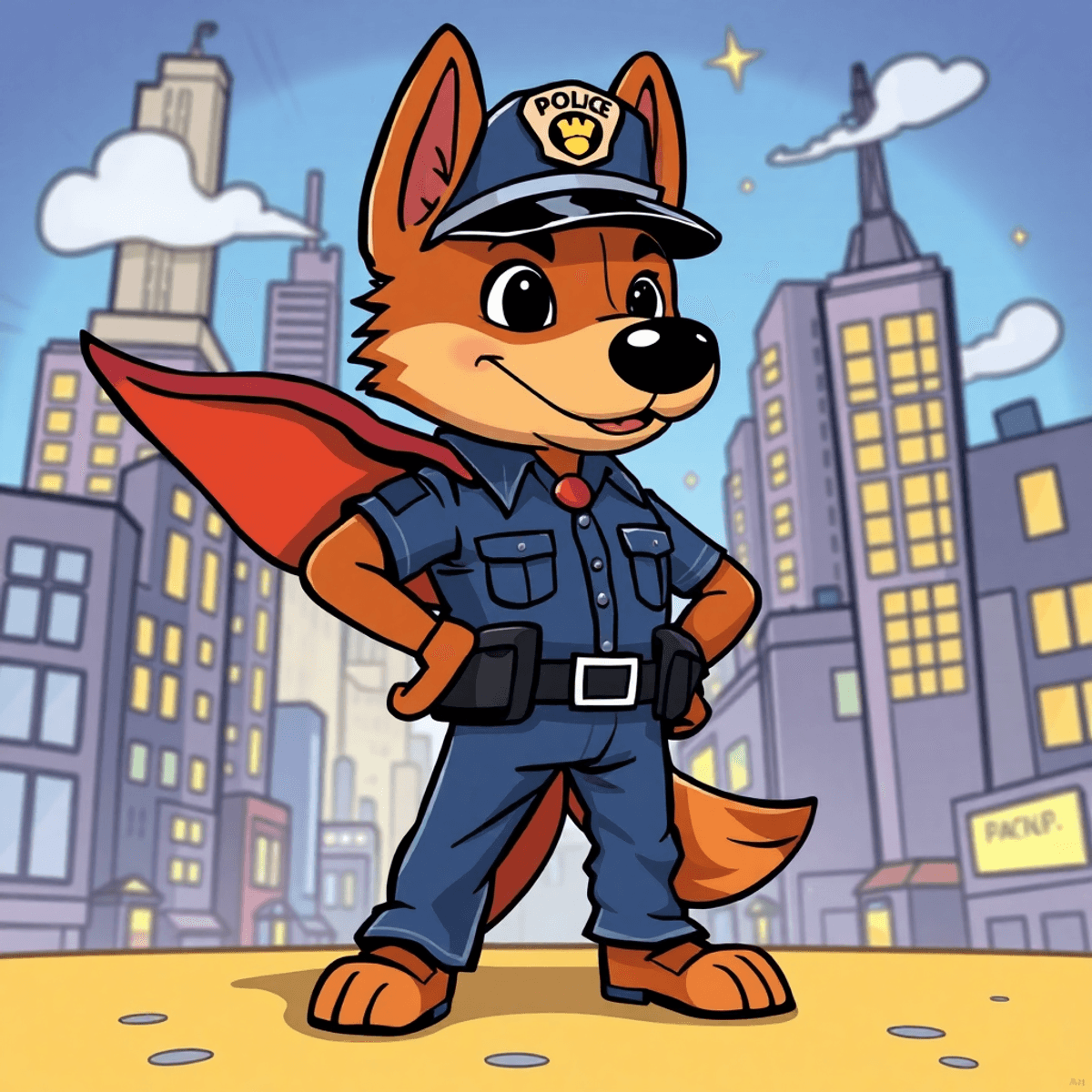
The Dog Man series by Dav Pilkey has captivated young readers around the world with its unique blend of humour, action, and heartwarming themes. As a beloved graphic novel series in children’s literature, Dog Man has consistently ranked high on bestseller lists and garnered rave reviews from both kids and parents alike. The story follows the adventures of Dog Man, a part-dog, part-human police officer, and his friends as they tackle various challenges while imparting valuable lessons on friendship, love, and redemption.
Dog Man: Mothering Heights, the tenth book in this series, continues to build on the success of its predecessors. Released on March 23, 2021, this instalment introduces new challenges and super-sized villains, maintaining the dynamic storytelling that fans have come to expect.
In this article, we will delve into Mothering Heights, providing predictions for future storylines and offering tips for success when reading or teaching this book to children.
Whether you’re a parent or an educator looking to engage young readers with Dav Pilkey’s latest masterpiece, you’ll find valuable insights here to enhance the reading experience.
Understanding the World of Dog Man: Mothering Heights
Plot Summary
Dog Man: Mothering Heights presents an engaging storyline filled with action, humour, and heartwarming moments. The story revolves around multiple key plot points:
- Petey’s Redemption Journey: Petey, once a notorious villain, is on a path of redemption. His past misdeeds are revealed through an interview, and he strives to make amends by protecting his son, Li’l Petey.
- Grampa’s Chaos: Grampa, Petey’s father, escapes from jail and steals a powerful living spray that makes objects grow. His mischievous actions lead to chaos and challenges for the protagonists.
- Dog Man’s Struggles: Dog Man faces bullies and uses a Mecha-Cone Suit to battle evil forces while dealing with personal hardships.
- Love and Friendship: Chief exchanges love notes with Nurse Lady, showcasing the importance of relationships amidst the turmoil.
- Molly’s Heroism: Molly utilises her psychokinesis to control a robot suit and defeat the evil sippy cups brought to life by Grampa’s spray.
Key Characters
Several characters play significant roles in Dog Man: Mothering Heights:
- Dog Man: The titular hero who faces adversities but remains steadfast in his mission to protect his friends and city.
- Li’l Petey: Petey’s son who embodies innocence and kindness, serving as a beacon of hope for his father’s redemption.
- 80-HD: A robot companion providing support and comic relief through its quirky personality.
- Big Jim Grace: A character who adds depth to the narrative with his unique traits.
- Grampa: The antagonist whose chaotic actions drive much of the conflict in the story.
Major Themes
The book explores several themes that resonate deeply with young readers:
- Love: Demonstrated through relationships like that between Chief and Nurse Lady.
- Friendship: Highlighted by the camaraderie among Dog Man, Li’l Petey, and their companions.
- Compassion: Shown through acts of kindness and understanding among characters.
- Redemption: Central to Petey’s journey as he seeks forgiveness for his past actions.
Role of Humour
Humour plays a crucial role in engaging young readers:
- Potty Jokes: Used strategically to capture children’s attention while maintaining light-heartedness.
“Potty jokes are balanced with positive messages ensuring they don’t overshadow the story’s core values.”
The humour complements serious themes, making it easier for children to absorb lessons about empathy and kindness. The playful tone keeps readers entertained while subtly imparting valuable moral lessons.
Dog Man: Mothering Heights effectively blends captivating storytelling with meaningful themes, supported by humour that appeals to young minds. For those interested in exploring more about this fascinating universe, there are surprising facts about Dog Man that can enhance your understanding. Additionally,
Decoding Literary and Cultural References in Mothering Heights
Dav Pilkey’s choice to title the tenth Dog Man book “Mothering Heights” is a deliberate wink at Emily Brontë’s classic novel Wuthering Heights. This parody operates on multiple levels. The original novel explores wild emotions, complicated family ties, and the power of love—motifs also woven throughout Dog Man: Mothering Heights. By referencing Wuthering Heights, Pilkey signals to adult readers and educators that the graphic novel isn’t just slapstick; it embraces deeper literary roots while keeping things accessible for kids.
Spotting Pop Culture and Literary Easter Eggs
Dog Man: Mothering Heights packs in quick nods to pop culture and literature that reward attentive readers. Some highlights include:
- Song Parodies: Characters break into songs with lyrics twisted from well-known tunes, giving kids a chance to spot familiar melodies in silly new settings.
- Comics and Superhero Tropes: The Mecha-Cone Suit battle borrows from superhero comics and blockbuster film climaxes, mirroring scenes reminiscent of Marvel or DC showdowns.
- Classic Literature Nods: Names like “Mothering Heights” or dialogue riffs reference works beyond Brontë, encouraging young readers to see connections between what they read in class and what they enjoy for fun.
The Role of Fourth Wall Breaks
Pilkey often has his characters speak directly to the reader or acknowledge their existence within a story. These fourth wall breaks accomplish several things:
- They invite children into the creative process, making them feel like co-conspirators rather than passive observers.
- They encourage rereading; jokes and commentary often land more fully on a second read-through.
- They help reluctant readers feel at ease by lowering the stakes—reminding them that books can be playful as well as meaningful.
“Hey kids, don’t try this at home!”—a recurring phrase—shows how humor can double as guidance, blending entertainment with subtle life lessons.
Wuthering Heights parody elements, pop culture references, and fourth wall breaks work together to create a reading experience that’s engaging across age groups. These techniques not only keep Dog Man: Mothering Heights feeling fresh but also build bridges between classic literature, modern media, and young imaginations.
Predictions for Future Adventures in the Dog Man Series
Dog Man: Mothering Heights packs plenty of hints that set the stage for future plots and deeper character development. As the series moves beyond this tenth instalment, several threads are ripe for exploration.
Petey’s Next Chapter: Growth Beyond Redemption
Petey’s journey in Mothering Heights centres on facing his past and seeking redemption. The book closes with Petey taking responsibility, but his story doesn’t end at forgiveness. You can expect:
- Complicated Relationships: Petey reconciling further with Li’l Petey, as trust must be rebuilt after years of villainy.
- Mentorship Roles: Signs of Petey teaching others from his mistakes, possibly guiding new or former villains onto better paths.
- Internal Struggles: Hints suggest Petey may still wrestle with old habits or guilt, keeping his growth dynamic rather than static.
New Villain Arcs and High-Stakes Challenges
Mothering Heights introduces the chaos Grampa causes and the havoc unleashed by the living spray. These elements provide fertile ground for future antagonist arcs.
- Emergence of New Foes: With the living spray technology out in the world, other baddies could use it to create oversized threats.
- Grampa’s Revenge: Grampa’s repeated escapes hint at an expanded villain role—perhaps forming alliances or unleashing more mayhem.
- Unexpected Twists: Past background characters like the evil sippy cups could evolve into recurring threats, reflecting how even minor jokes become major plot points.
Supporting Cast: Evolving Roles and Fresh Dynamics
Characters such as Molly and Nurse Lady have started to step out of supporting roles, opening new possibilities:
- Molly’s Powers: Her psychokinesis hints at untapped potential. Readers might see her lead missions or grapple with learning control over her abilities.
- Nurse Lady’s Influence: With her growing bond with Chief and involvement in key events, Nurse Lady stands poised for a bigger leadership or guidance role, especially in nurturing emotional wellbeing among the team.
- Li’l Petey’s Leadership: As he matures, Li’l Petey could transition from comic relief to taking on responsibilities that challenge his creativity and sense of justice.
These directions keep the series fresh while building on themes established in Dog Man: Mothering Heights. The groundwork laid here ensures there is no shortage of excitement or meaningful development as new stories unfold.
Tips for Success When Navigating Through Mothering Heights with Young Readers
Dog Man: Mothering Heights thrives on a blend of slapstick comedy, action, and heartfelt lessons, making it a rewarding pick for shared reading. Parents and educators can leverage these qualities to deepen the book’s educational value while keeping young readers invested in the story.
Engaging Children with Humour and Action
Here are some strategies to engage children using humour and action:
- Emphasise Active Participation: Invite kids to act out scenes—like Dog Man’s Mecha-Cone Suit battles or Grampa’s mischievous antics—to build enthusiasm and comprehension. Dramatic readings of dialogue or sound effects can keep energy high.
- Spotlight Visual Cues: Encourage readers to pay attention to facial expressions, sight gags, and visual jokes. Ask them what they notice in the illustrations that isn’t directly stated in the text.
- Balance Laughter with Reflection: While the potty humour draws giggles, pause occasionally to discuss why certain jokes are funny or how humour makes tough situations easier for characters.
Discussion Questions for Critical Thinking
Use targeted discussion questions to spark meaningful conversations about the story’s core themes. These prompts help children process complex ideas while building empathy and creative thinking skills:
- Love:
- How do characters like Petey and Li’l Petey show love for each other? Why is forgiveness important in their relationship?
- Strength:
- What does it mean to be strong in this story? Can someone be strong without using force?
- Creativity:
- How do characters use creativity to solve problems (for example, Molly’s psychokinesis or building robot suits)? Can you think of a time you used creativity to overcome a challenge?
- Friendship:
- What actions show true friendship between Dog Man, 80-HD, and the rest of the crew? How do they support each other when things go wrong?
Effective Reading Strategies
Here are some effective reading strategies to enhance comprehension:
- Encourage Predictions: Pause before key moments (like Grampa’s schemes) and ask what might happen next.
- Relate to Real Life: Draw parallels between the characters’ struggles—such as overcoming mistakes or helping friends—and real-life situations children face.
- Promote Visual Literacy: Guide kids in “reading” the illustrations as carefully as the words, interpreting emotions and actions from pictures alone.
Focusing on these strategies helps transform each reading session into an interactive experience rich with learning opportunities.
The Power of Humour and Heart in Captivating Young Audiences
Humour in Dog Man: Mothering Heights
Humour, especially potty humour, is a defining feature of the Dog Man series. In Mothering Heights, Dav Pilkey skilfully employs this type of humour to keep young readers hooked. Potty jokes are scattered throughout the story, providing comic relief while maintaining a fun atmosphere. This technique grabs children’s attention, making reading an enjoyable experience.
Importantly, Pilkey balances humour with positive values such as empathy and kindness. For example, while Grampa’s antics might provoke laughter, they also highlight the consequences of his actions. By contrasting humour with lessons on morality and compassion, Pilkey ensures that the story remains both entertaining and educational. This balance is crucial in teaching children that it’s possible to have fun while also being considerate and understanding.
Heartwarming Moments
The heartwarming scenes in Mothering Heights play a vital role in building emotional connections between readers and characters. Moments like Petey’s redemption journey or Chief’s tender exchanges with Nurse Lady add depth to the storyline. These interactions illustrate themes of love, friendship, and forgiveness—a powerful combination for young readers.
- Petey’s redemption: His struggle to overcome his past mistakes resonates with children who may be grappling with their own challenges. Witnessing his growth encourages empathy and reinforces the idea that everyone deserves a second chance.
- Chief and Nurse Lady’s relationship: Their sweet notes exemplify genuine affection and support, showcasing positive adult relationships.
Through these heart-centred narratives, Pilkey creates characters that children can relate to on an emotional level. This connection makes them invested in the story and eager to continue reading.
In essence, humour and heart are integral to Dog Man: Mothering Heights, effectively captivating young audiences by blending laughter with meaningful lessons. The book is more than just a funny story; it’s a heartwarming tale that resonates deeply with its young audience.
Embracing Visual Storytelling: The Advantages of Graphic Novels like Dog Man for Reluctant Readers
Graphic novels offer unique benefits for young readers, especially those who may find traditional chapter books daunting. Dog Man: Mothering Heights stands out as a prime example of how visual storytelling can make complex ideas approachable and engaging for all reading levels.
Graphic Novels Benefits for Reluctant Readers
- Visual Literacy: The illustrations in Dog Man: Mothering Heights do more than complement the text—they drive the narrative. Visual cues help decode emotions, actions, and plot developments, allowing readers to grasp meaning even when vocabulary is challenging.
- Immediate Engagement: Full-colour artwork and expressive characters invite children to dive into the story. For reluctant readers, this visual appeal lowers barriers to entry and sustains attention across longer reading sessions.
- Accessible Themes: Big ideas like redemption, teamwork, and compassion are made tangible through expressive art. When Petey shows vulnerability or Dog Man faces adversity, these moments land with greater impact because the visuals vividly capture emotional nuance.
- Validating Reading Experience : Contrary to some beliefs that graphic novels are not “real” reading, they actually count as reading. The combination of text and images enhances comprehension and encourages a love for literature.
Dynamic Action and Comprehension
Scenes featuring high-stakes action—such as the Mecha-Cone Suit battles—demonstrate how graphic novels excel at marrying excitement with substance:
- Sequential Art Builds Understanding: Step-by-step panels break down fast-paced sequences. Readers don’t just see action; they see cause and effect, helping them follow plot twists with ease.
- Teamwork on Display: When characters like Li’l Petey and Molly collaborate during chaotic battles, their interactions unfold visually—body language, facial expressions, and teamwork cues all reinforce the message that success comes from working together.
- Reinforcing Perseverance: Struggles are depicted with clarity. Every setback is drawn out in detail, showing not just what happened but how characters feel about it. This approach encourages empathy while modeling resilience.
“The way pictures tell part of the story means I don’t get lost or bored,” one young reader shared during a classroom discussion.
Dog Man’s blend of humour-driven visuals and meaningful content transforms reading into an active experience rather than a passive task. This format empowers reluctant readers to build confidence while developing both traditional literacy skills and visual literacy—a crucial tool in today’s multimedia world.
Next steps include exploring practical ways educators can use these strengths to inspire creativity and narrative understanding in their classrooms. For instance, stories like Dog Man: A Tale of Two Kitties can be used to engage students who love animals. Similarly, narratives such as Tina: The Dog Who Changed the World could serve as powerful tools for teaching empathy and social responsibility.
Incorporating Dog Man: Mothering Heights into Literacy Programs: Practical Ideas for Educators and Librarians alike!
Integrating Dog Man: Mothering Heights into literacy development programs opens new doors for creativity and engagement in the classroom. Graphic novels like this provide a wealth of classroom resources for educators looking to spark imagination while building essential literacy skills.
Creative Writing Prompts Inspired by Dog Man: Mothering Heights
- Write a New Villain Scene:
- Invite students to invent their own villain who uses a quirky gadget, like the “living spray” from the book. Ask them to describe how their villain disrupts the Dog Man universe and how the heroes respond.
- Alternate Endings:
- Challenge readers to rewrite the ending of Mothering Heights. What if Grampa’s plan had actually succeeded? How would the characters react, and what lessons might they learn?
- Character Diaries:
- Have students select a character—Petey, Li’l Petey, Molly, or even Big Jim Grace—and write a diary entry reflecting on the day’s events. Encourage them to capture the character’s unique voice and perspective.
- Comic Strip Creation:
- Using simple panels, let students draw their own short comic inspired by a favourite moment or an imagined sequel. Emphasise narrative structure—beginning, middle, end—while allowing artistic freedom.
These activities not only reinforce comprehension but help young readers internalise story elements like plot, theme, and character motivation. Each prompt transforms Dog Man’s adventures into powerful tools for literacy development and builds confidence in both reluctant and enthusiastic writers.
Conclusion
Dog Man: Mothering Heights is a testament to the impact of the Dog Man series on young readers. This latest instalment masterfully combines humour-filled adventures with meaningful themes such as friendship and loyalty, making it not only entertaining but also educational.
The blend of action, humour, and heartwarming moments in Dog Man: Mothering Heights supports children’s learning by promoting positive values like empathy, compassion, and creativity. The engaging narrative and dynamic illustrations make it an excellent resource for parents, educators, and librarians aiming to foster a love of reading in children.
By offering thoughtful discussion points and creative prompts, Dog Man: Mothering Heights encourages critical thinking and imagination among young readers, solidifying its place as a valuable addition to children’s literature.
Leave a Reply